

how to learn from $1bn deals
the notes I’m aggressively scribbling into the FHG playbook:

In this issue I’m going straight from the cringey moment I can’t stop replaying in my head from a creator event this week → $2 BILLION dollars changing hands in the beauty industry, and what we can all learn from. From tiny personal brands to big booming businesses.
My biz-branding-creator brain has been in overdrive this week, so let’s get started!!!
In this issue:
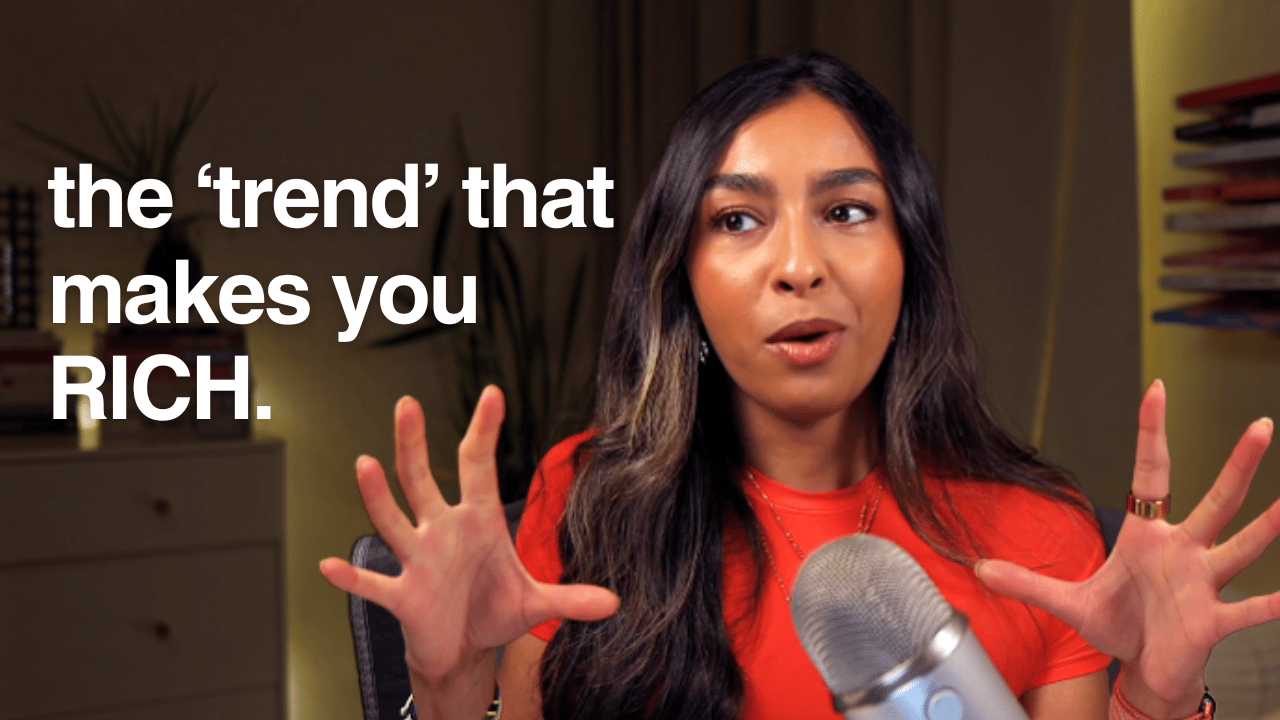
This week in Financial Hot Girl world: we’re talking all things underconsumption. I believe this is the trend for the everyday girl to become rich: because it frees up more money to invest over the course of your life. Now, we know that underconsumption ≠ minimalism, but I think the underlying psychology behind both is similar. I’ve broken it all down in this week’s episode.
My slightly embarrassing malfunction
I am bursting back onto the LinkedIn scene (after a minor account incident and creator platform burnout) with a cringey story.
The Creator Leaders Summit was on Wednesday. I walk up to personal branding powerhouse Lara Acosta ready to compliment her recent panel advice, only for her to look straight at me and say, “Aren’t you the one with that viral YouTube video?”
My brain was literally the Macbook wheel of death. I glitched. Then she adds, “You should be on the panel next year.” Honestly guys, I died inside (in a good way).
I walked away from the conversation buzzing that someone I admired actually knew who I was, but also irritated with myself for shrinking my presence in the room that evening.
So once I was back at the hotel, I yapped to my boyfriend and wrote myself (and now you) three things to self-soothe and learn from:
Visibility compounds quietly.
Your analytics dashboard is the last place the actual influence shows up. People see you, please keep publishing.Peers, not pedestals.
If we’re in the same room, we’re playing the same game. Stop shrinking yourself.Lead with curiosity, not worship.
A smart question turns fangirl energy into collaborator energy in no time. Back yourself. For the love of god, please.
Two $1bn deals & four priceless lessons
Two big things happened in the consumer business world:
Touchland (the aesthetic hand sanitiser everyone loves) got bought by Church and Dwight (they’re the ones behind Arm and Hammer) last week.
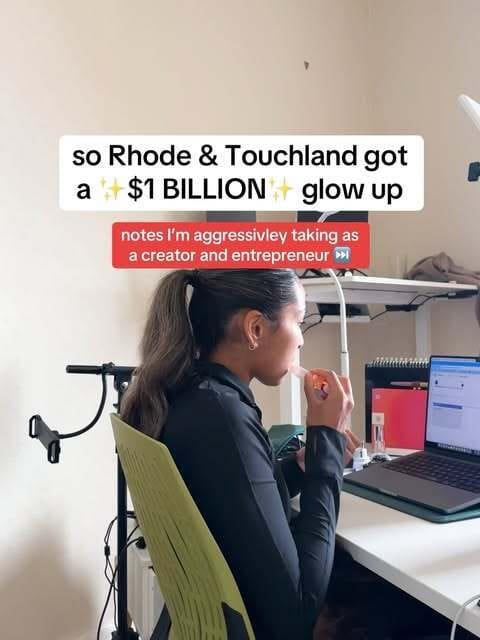
e.l.f. Beauty announced a $1 billion deal for Hailey Bieber’s two-year-old skincare line Rhode: $600 million cash, $200 million in e.l.f. stock, and another $200 million if performance targets are hit. Rhode had $212 million in net sales last year on just six SKUs (read: products) and almost no ad spend.
I always take inspiration from what’s been done in the world — so as someone building a personal brand and a media business, here’s what I’m taking away from these huge deals (these are an extended version of the below).
#1 Borrow other people’s stages.
Touchland was in every Coachella goodie bag before Sephora took notice. Rhode leveraged Hailey’s brand instead of dumping cash into paid ads. Translation: if you’re lean, attach your launch to an audience that’s already there. This looks like guest newsletter spots, partner freebies, and collaboration. Distribution is rented first, owned later.
#2 Outsource the unsexy, guard the magic.
Both brands kept product vision (their IT factor) in-house but handed fulfilment, ops, even customer emails to pros. For us creators that means: spend your hours on the irreplaceable (voice, design, community) and pay Fiverr or a VA for the rest. Your zone of genius shouldn’t be held back by printing labels.
#3 Metrics do NOT equal momentum. Track the real feelings.
Neither deal was fuelled by perfect analytics dashboards. Ultimately, customers were bought in by the culture that surrounded the product: TikTok duets, #glazeddonut skin, pastel sanitiser collections. Next time you launch something (content OR product) log the DMs or nice messages you receive, reaction videos, and count user-led reposts. Those “soft” receipts will matter more in a future investor or sponsor conversation than a one-decimal revenue graph. Trust me, I’ve already done this with brands.
#4 Iterate in public, but archive the receipts.
Rhode beta-tested shades and formulas on Instagram Lives and Touchland crowdsourced scent ideas in comments. Public iteration builds loyalty and serves as a free focus group, but only if you actually capture the data. Store poll results or testimonials in a “Proof” folder. When brand-deal or acquisition chats start, you’ll have an instant evidence deck instead of a memory bank.



Did you enjoy this weeks content?
I was too excited about these business moves not to talk about them, but I wanna know if you find it useful or not.
Yes, I love the business and culture commentary
No, please stick to creator and finance tips
I'm indifferent, I'll read mostly anything relevant to your niches!
Stay smart,
Dev xo
Financial Hot Girl 💅🏾💸