

something is replacing the hot girl era...
the year of the Financial Hot Girl | fhg #79
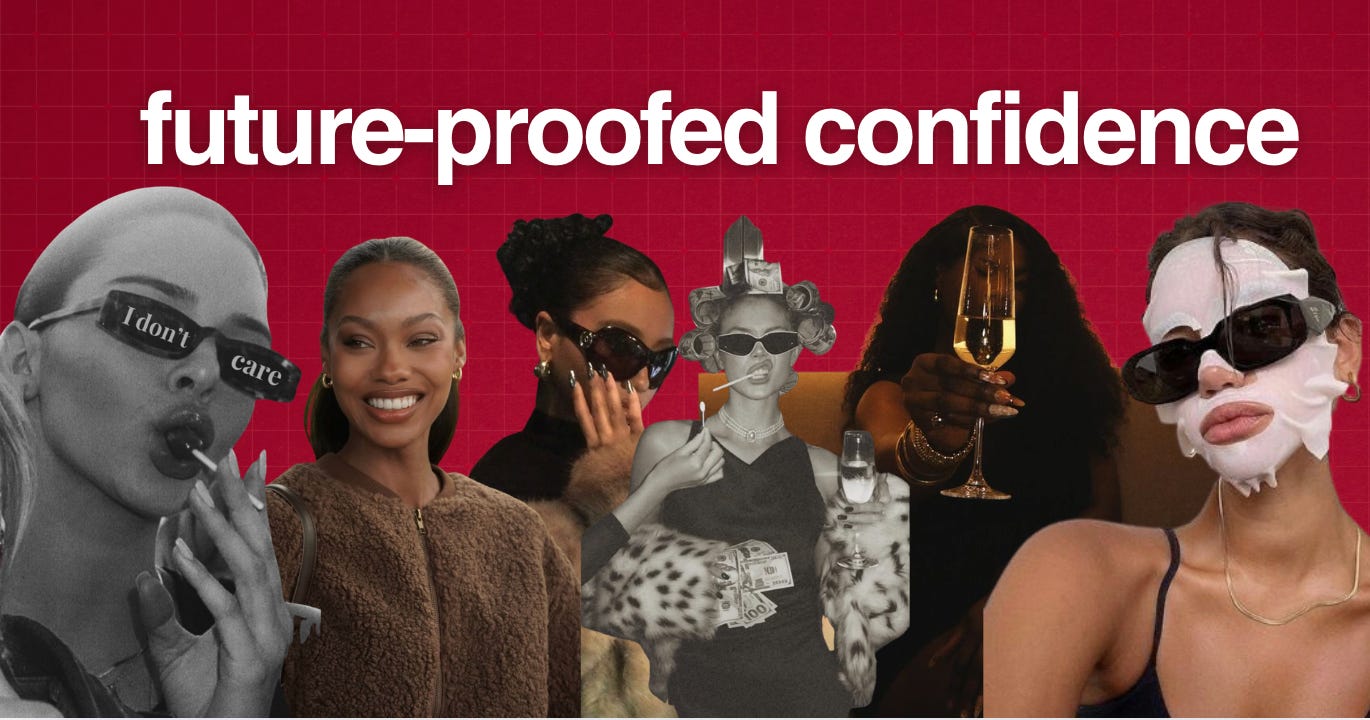
The traditional hot girl is dead.
For a long time, being a hot girl was something I really wanted to be. Growing up brown, always the ‘new kid’, and in a country my parents didn’t know how to navigate—all I wanted to be was the seemingly cool girl that everybody wanted to be friends with. In my early 20s, it was rebranded to the “hot girl”.
Which is why it’s ironic that the legacy I’m building now is Financial Hot Girl—I’ve never felt like the ‘hot girl’. But Financial Hot Girl is something I now identify with to my core.
At first glance, the word “hot” makes this space sound aesthetic, even frivolous (it’s partly why I hid it for so long). But being a Financial Hot Girl exists because the world changed. Long-term security became an individual responsibility. Health stopped being optional. Money stopped being something you could ignore.
You can look hot, act hot, live fully, enjoy beauty and confidence. But when you’re financially literate at the same time, you future-proof your life. You worry-proof it. You give it infrastructure. This is essential to understand after last week’s issue.
Being a hot girl isn’t good enough in 2026. Being a Financial Hot Girl is, and there are four main drivers why.
𝜗ৎ In this issue:
The old hot girl couldn’t afford the future
IQ, but make it attractive
You can’t freelance your way out of financial literacy
How independence raised the bar
The new hot girl skill set
The old hot girl couldn’t afford the future
The original hot girl era was built on visibility, externally-validated confidence, desirability and consumption. It was underpinned by the 2015-2022 influencer culture that monetised on attention and aesthetics.
The old hot girl model required spending money to look like you had money. Or spending on your appearance purely for social acceptance or social advancement. Things like buying youth, lavish lifestyle upgrades and dated success-indicators.
That collapses in a high-inflation, high-rent, low-security economy—even the middle class have slowed down their consumption on ‘aspirational luxury’. Aspirational luxury lost its shine when stability became uncertain and the cost of maintaining an image started to compete with the cost of living a life.
It’s a mistake to boil this down to the old hot girl being shallow. She was just responding to the incentives of her time, but those incentives have now changed.
That’s where the Financial Hot Girl comes in.
IQ, but make it attractive
Cultural capital is changing from visual dominance to financial and cognitive competence. We are thirsty for the smarts. Be it because of our phone addictions or AI slop, we want more substance while we’re getting our daily walk in. We want better conversations, relationships and confidence in our ability to make decisions.
It’s the way we’re actually signalling intelligence—through taste, restraint and literacy. Through things like following intellectual creators and having niche hobbies. Knowledge carries social weight and these days, and it sure needs a back brace. Looking good used to open doors. Now, understanding things like systems, money, and trade-offs keeps them open.
Being financially literate reads as self-confident and hot in an increasing unstable world (see below). It’s only fitting that a Financial Hot Girl subs in.
Health is having the same rebrand as money
What happened with the hot girl aesthetic is also happening with health and nutrition. It’s being reframed as longevity. The ability to show up consistently for your own life.
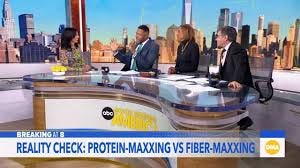
Drinking is declining, protein and fibre are having a cultural moment, and people talk openly about blood sugar, gut health, sleep quality, and strength training now. Wellness has moved away from detoxes and towards routines that actually make daily life feel easier.
This mirrors the shift I’m seeing with money: people are less interested in the short-term gratification that leaves them depleted. Health has become infrastructural, and once you see it that way, the link between physical and financial literacy becomes more obvious. Both are about understanding inputs and outputs, and being proactive rather than reactive.
Just like roads or electricity, health determines how easy everything else is. Health as infrastructure means prioritising sleep over 3 hours of more ‘work’ so that you have the energy for 3 more optimised hours tomorrow. It means prioritising resistance training as a woman for long-term independence and regulated hormones.
A Financial Hot Girl cares about her health for the same reason she cares about her money. It gives her energy, independence, and options. It helps her enjoy the climb to to the view, and love her life all throughout her life.
You can’t freelance your way out of financial literacy
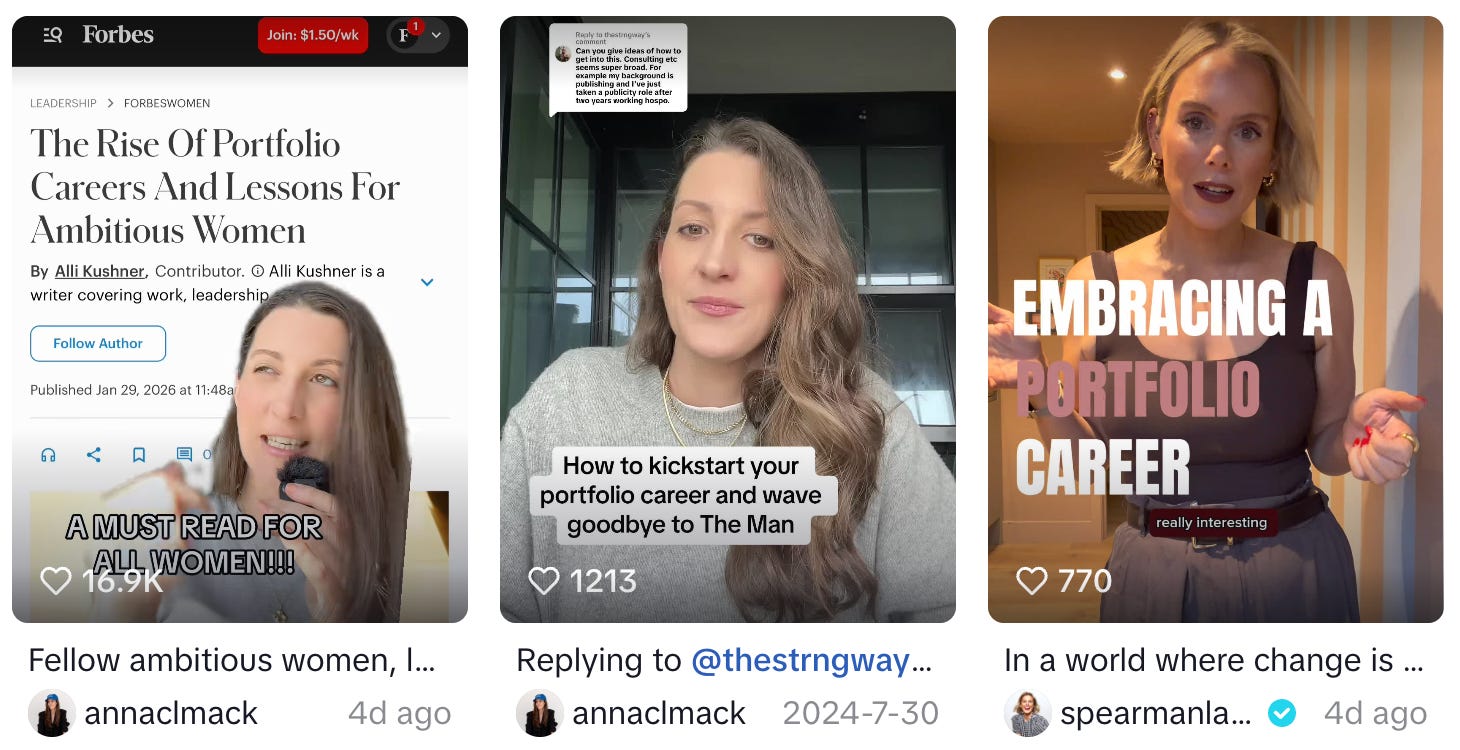
Work has also changed in ways that make financial literacy unavoidable.
With more Big Tech redundancies and the increasingly fragile stability of a 9-5 these days, portfolio careers, pivots, businesses and side-hustles are on the rise.
Which means across the UK and the US, freelance, creator and self-employed work are becoming more and more mainstream. That is, there are more people increasing or diversifying their income without knowing how to manage it, making financial literacy all the more important in embracing and enabling a multi-passionate, entrepreneurial career.
A Financial Hot Girl exists inside this reality. She is built for it. She understands that freedom without structure produces anxiety, and that structure without self-respect guarantees burning out.
How independence raised the bar
Women today have more formal access to financial autonomy than at any point in history. We earn our own incomes, manage accounts, invest and are expected to plan for our own futures. But at the same time, the structural gaps remain deeply embedded.
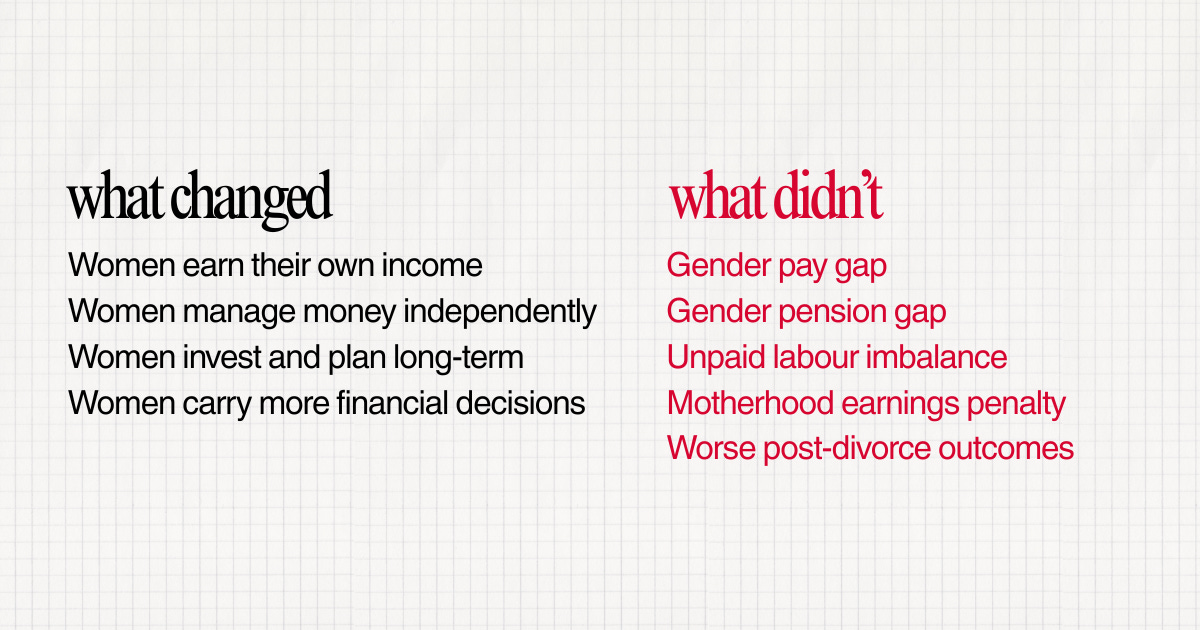
The gender pay gap persists. The gender pension gap is pretty damn significant. Women invest less than men and often start later. Women perform the majority of unpaid labour. Motherhood continues to shape earnings trajectories across decades. Women are more likely to be financially worse off after divorce—the divorce gap. How many gaps do we really need?!
These dynamics mean that not caring about your finances carries a higher cost than it once did, especially coupled with the fact that women can now earn and contribute to household earnings. The margin for error is narrower, and the responsibility is more individual.
And yet, a Financial Hot Girl still emerges from this context. She is not financially literate because it is simply trendy. She is financially literate because it gives her leverage. She knows that relying on goodwill, partnership, or stability without understanding the numbers beneath it is a very fragile position.
In an economy where women are still more exposed to downside risk, financial literacy becomes part of self-preservation. That awareness changes how competence is perceived. It changes what feels impressive or safe. Being Financially Hot, in this moment, is being grounded, financially intelligent, and prepared, because you care about yourself enough to be.
The new hot girl skill set
A Financial Hot Girl:
Is high agency
Understands her cash flow
Respects her body and mind
Plans for the future without martyrdom
Treats financial literacy as self-respect
In a world that feels increasingly unstable, the hottest thing you can be is someone who knows how to take care of herself, financially, mentally, and physically, without apologising for it.
Tell me, financial hotties, what does being a Financial Hot Girl mean to you? Have you made any decisions that align with anything we’ve talked about here? I’d love to know if this identity shift aligns with you and inspires you as much as it’s inspired me.
—Dev xo
dev, this is special one... i’m 24 and spent my early 20s trying to buy into the 'it girl' aesthetic, but honestly, it just felt like buying anxiety in a box tbh. moving the focus to future-proofing and literacy feels like the ultimate glow up and knowing how to manage my life is way more attractive than just looking like i do, hell yeah! thank you for this <3
Every era rewards a certain kind of competence.
The incentives changed, so the definition of “hot” had to change too.
What reads as confidence now isn’t visibility or consumption.
It’s literacy. Restraint. The ability to understand systems and tradeoffs without panic.
That shift feels real, and overdue.