

wellness got a rebrand and you fell for it
the wealthy now flex their biometrics, but when does it become a spending problem? | fhg #92

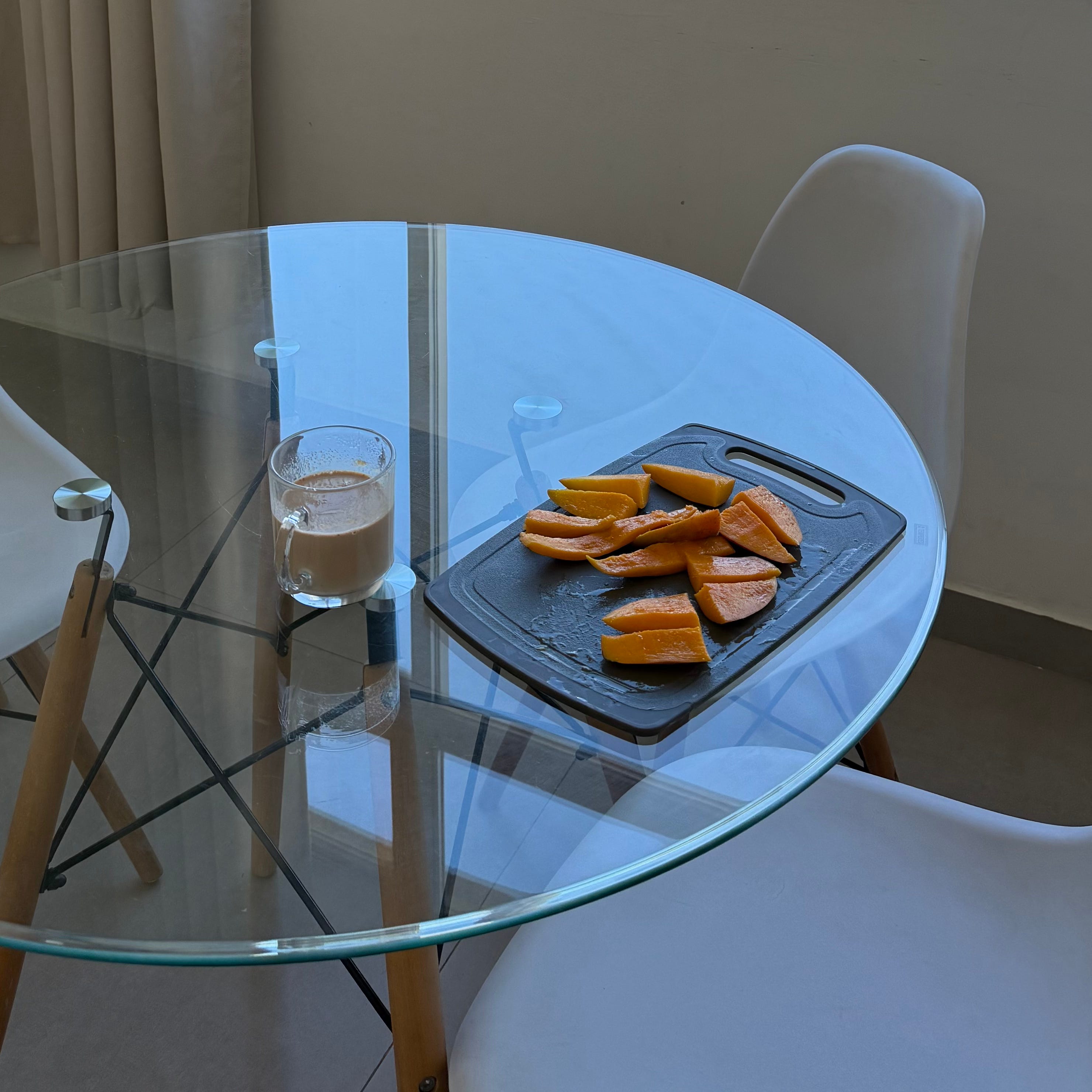
Moschino released a bag that looks like a cardboard tray of apples for $2,900 this season. Meanwhile, in Rio, I’ve been buying fruit for roughly 80p a piece, and I have not stopped thinking about how good I feel, financially and physically. The fibre, the juiciness, the fact that my body is benefiting from something that costs almost nothing.
A luxury brand made a $2,900 replica of the thing that’s actually making me feel good right now. Because fresh produce has now become so culturally loaded — so tied to a certain kind of aspirational and healthy life — that it belongs on a runway. And it’s meant that spending on wellness as a whole has replaced the old designer haul. Even more troubling, is that it’s easier to justify.
That’s where we are with wellness in 2025. Yet another status signal with a price tag. And a lot of us are accidentally over-consuming this signal, because consumption got a very sneaky rebrand that makes us feel good about doing it.
𝜗ৎ In this issue:
How you’ve been tricked into another consumption spend
How Financial Hot Girls decide what’s worth spending on
4 essential wellness spending questions to ask yourself
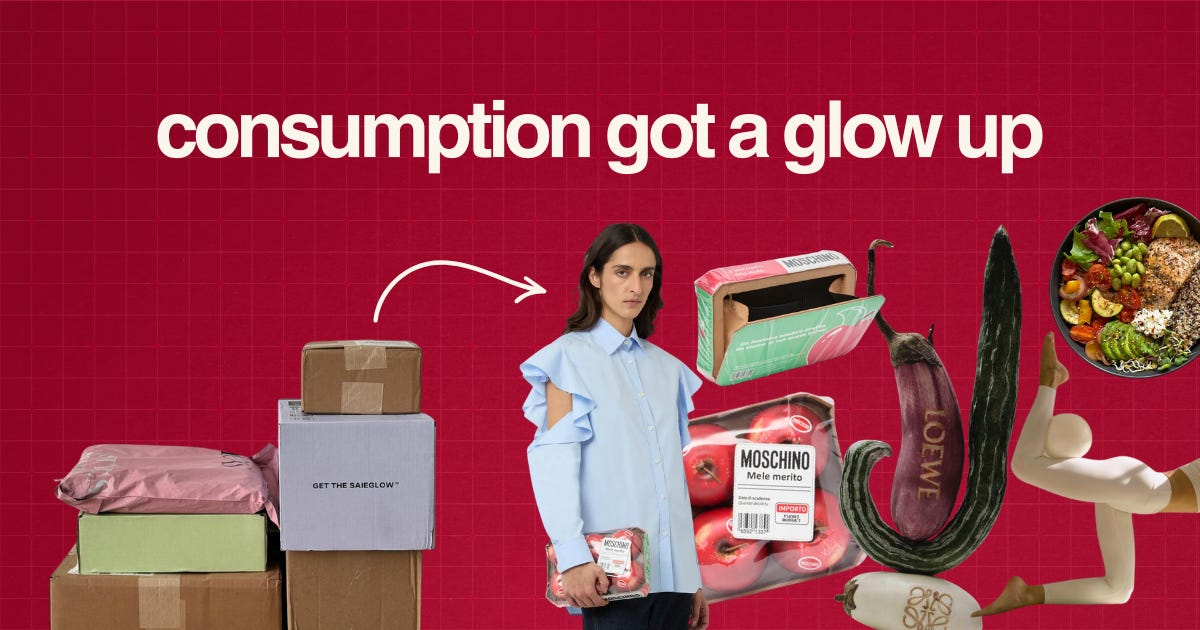

☆ consumption got an irrefutable rebrand
10 years ago, if I asked myself “am I spending too much on things I don’t need” the answer was an incredibly easy yes, because I could look at my transactions and see 2398723 distinct line items — on things that added no value to my life. Shoes. Nights out. More shoes.
Overconsumption hasn't gone away, but the definition of it is changing. We’re starting to buy time, access, and rituals to show we are well. Take Nara Smith, she’s transforming ‘cooking’ into a luxury experience in an economy where having spare time to intricately prepare food has become another position of social signalling. The new version of a designer haul has become this:
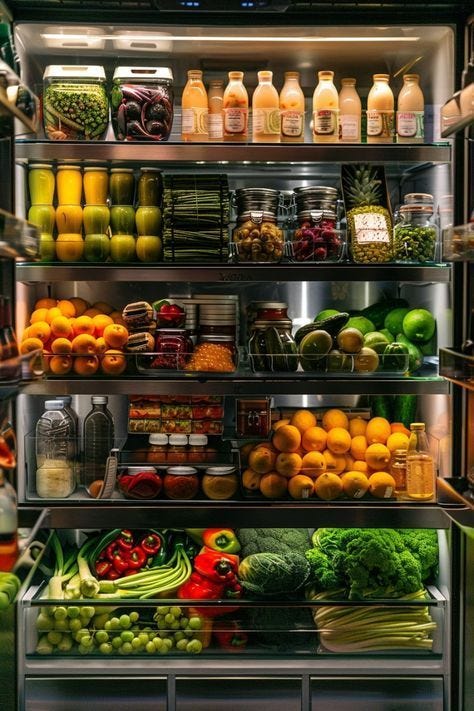
Wellness spending has replaced designer spending as the category where money disappears without obvious scrutiny. Because why would you look at how much you spent on fresh produce and think “that added no value to my life”? Unless you’re the person that keeps buying vegetables you never cook, in which case, no judgment here.
“I’m investing in my health” is not a sentence you can combat, not like “I bought another handbag”. Wellness spending feels good, and feels most justified to the women who are self-aware enough to have stopped spending on things not worth their time or energy. Investing in yourself often feels like the responsible version of spending, which is why it needs more scrutiny, not less, especially because it has morphed into a status symbol.
On top of that, everything in the wellness space is mostly tiered. There’s a version of almost every healthy habit out there (that would cost nothing to do) that has a little cost, a premium version, and an ultra-luxury version. Would you like a tap water, or pure Acqua di Cristallo Tributo a Modigliani with 24k gold packaging1?
Tierification in wellness exists for a reason and it’s not entirely for your wellbeing. It’s the other reason that makes wellness different from any other spending category: it’s almost entirely recurring. Clothing is a one-off decision. But a membership, a supplement or a weekly class are decisions that compound every month, but are really easy to justify when individually charged.
Wellness is the one category that will always agree with you. It will never tell you that you've spent enough, or too much. There will always be a more optimised supplement, a more sophisticated tracker, a more restorative practice that someone you look up to swears by. The category has no natural ceiling because the goal — feeling good, performing well, living longer — has no natural ceiling, either.

★ how do you decide what’s worth the spend?
This is where your Earn, Keep Grow™ season matters more than you realise.
✧ Financial Hot Girls in EARN: when your income is your constraint, your body is your primary asset in this season because it is literally what earns. This is where investment in your physical capacity pays you back well. Think sleep quality, consistent mood, brain function.
This is also not the season for expensive wellness infrastructures that don’t go beyond the basics, like high-cost studio memberships or premium supplement stacks. Costs should be lean while supporting foundational habits.
✧ Financial Hot Girls in KEEP: this season calls for control. The wellness audit I go through below belongs here, where recurring charges need to be culled and audited as truly for you vs statements you’re trying to make about yourself and your lifestyle choices.
For example, this is the season where you want to be intentional about finding (and cutting) a £40 subscription you forgot about, or a membership you don’t actually use, or a supplement that ran out a long time ago you haven’t noticed. Cancel the mimetic spending, and work on building the baseline habits that you can support financially when you’re in a different season.
✧ Financial Hot Girls in GROW: financial hotties, you have surplus and stability. This is where you can invest in wellness infrastructures you’ve already proved with discipline and strong habits. Perhaps because now, the ROI makes sense and isn’t just a shot in the dark (“If I pay for this fancy gym, it’ll make me go more).
Be conscious of this: being in your grow season isn’t a green light to just ‘spend more’. Just be more deliberate and intentional with where that extra spend is going.
Across every season, your capacity should be front of mind. Every penny or cent you spend on your body should be answerable to the question of whether it increases what you can do, earn, think or sustain. If you’re spending to “seem” like the kind of person who’d do that spending…you’re signalling something. And signalling has a cost, whether you choose that consciously or not is up to you.

✮ 4 ways to apply scrutiny
I’ve written before about proving a purchase before you make it — starting small, building the habit, then investing in the infrastructure. The same logic applies to wellness spending.
Before you add something to your wellness budget, ask:
1. Capacity or aesthetic? Does this purchase increase what your body and mind can actually do — or does it make you feel like ‘the kind of person who does this’?
2. Can you prove the purchase? Have you done the lower-cost version consistently enough (heavy on the consistency part here) to justify the upgrade? (Have you walked every day for 3 months before buying the walking pad? Have you taken vitamins consistently before buying the premium supplement stack?)
3. What’s the actual ROI? Not! In! Theory! In your real and actual life. We all love to fantasise about how we’ll suddenly change if we sign up to X, Y, or Z. There is no shame in admitting to yourself that it will do nothing except give you a dopamine boost for a few weeks.
4. What’s the recurring cost? Wellness spending is almost entirely subscription-based or habitual. £450/month is £5,400/year. Those are numbers you cannot ignore in the name of health, especially as a growing status symbol.
With wellness, consuming feels like the responsible choice, and opting out feels like neglect. The industry created enough tiers, enough science, and enough community, that spending became the default and not spending became something you had to justify.
A Financial Hot Girl knows the difference between capacity and consumption. She funds the former and audits the latter. And remember, with all spending, it always comes back to understanding yourself and what you need, and trying not to replicate these things from external sources.
Until next week,
— Dev xo
Yes, this exists. I did not make it up.
this is exactly why i preach affordable wellness. yes, the upgrades can be worth it but only if you’re already sticking to the budget version!! this was incredibly well written and easy to follow and i loved every single word of it.
This article put a name to something I have been noticing for a while. I think there is a growing discontent with the speed of life and my instinct, at least, is to buy the asset I crave — time, health, good feelings. The real answer is probably to divest of some of the things costing me time but what I really end up doing is spending money on convenience and activities or services I wish to engage in but don’t have the time or leftover energy to do so.